
Embrace Multipurpose Furniture
Transforming a warehouse into a comfortable home requires ingenuity, foresight, and a careful eye on spending. For those embracing home warehouse living, the expansive space presents both opportunity and challenge. Large, open areas can feel impersonal if not structured properly, yet with strategic planning, they can be transformed into a stylish, functional sanctuary that adheres to a home warehouse budget.
The cornerstone of efficient home warehouse living is the judicious use of furniture. Multipurpose pieces are essential. Consider a sofa that converts into a bed or a coffee table with built-in storage compartments. Modular shelving units are particularly advantageous, providing storage and display space simultaneously. Positioning these elements thoughtfully can delineate living zones without resorting to costly construction.
Optimize Lighting for Comfort and Style
Lighting is a critical factor in achieving a welcoming warehouse home. High ceilings and wide-open areas often amplify shadows, making the space feel colder than intended. Layered lighting solutions that combine ambient, task, and accent illumination can overcome this. Industrial-style fixtures complement the raw aesthetic of warehouse spaces, yet energy-efficient LEDs ensure that the home warehouse budget remains intact. Skylights and expansive windows further maximize natural light, reducing electricity costs while enhancing ambiance.
Smart Storage Solutions
Storage management defines a successful home warehouse smart strategy. Verticality is an underutilized asset; tall shelving, wall-mounted racks, and overhead storage can drastically increase usable space. Categorizing items, using clear containers, and labeling each section reduces clutter and prevents unnecessary purchases. This approach maintains organization while conserving both money and mental energy, a hallmark of budget-conscious living.
Bring Warmth with Textiles
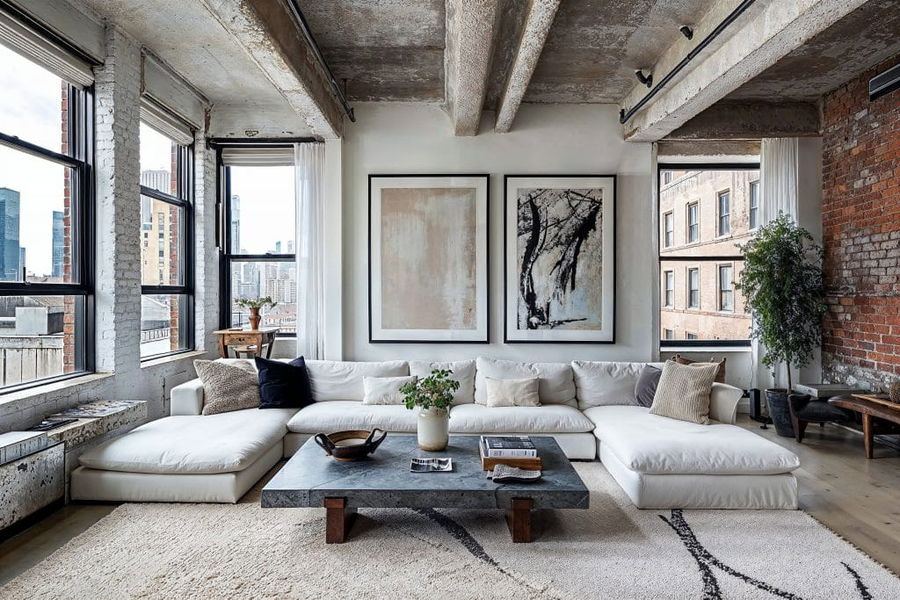
Textiles and soft furnishings offer a simple way to bring warmth and personality to stark warehouse interiors. Rugs, curtains, and throws create a cozy atmosphere, while defining distinct areas within the open floor plan. Layering textures such as wool, linen, and cotton enhances the sensory experience, making the home feel inviting. Sourcing second-hand or vintage items preserves style while adhering to a home warehouse budget.
Efficient Kitchen Design
In the kitchen, efficiency should be married to ingenuity. Open shelving and a central island can provide preparation space, storage, and casual dining in one consolidated area. Selecting durable, energy-efficient appliances prioritizes practicality over brand prestige, aligning with home warehouse smart principles. Even minor upgrades, such as adding pull-out drawers or compartmentalized organizers, can significantly enhance functionality without substantial expense.
Flooring Choices for Durability and Style
Flooring choices can influence both style and cost-effectiveness. Polished concrete, laminate, or cork flooring offers durability, elegance, and budget-conscious appeal. Adding rugs or mats in high-traffic zones introduces comfort and can easily be replaced if worn or stained. This strategy supports home warehouse living by blending utility and aesthetic appeal, a necessity in spaces with industrial origins.
Incorporate Greenery
Incorporating greenery is a subtle yet transformative tactic. Indoor plants improve air quality and soften the raw, utilitarian feel of warehouse interiors. Tall plants in corners or clusters of smaller ones on shelves create visual interest while adding a natural vibrancy. This inexpensive addition is an effective component of home warehouse smart design, enhancing both atmosphere and well-being.
Define Zones and Layouts
Zoning and spatial organization are paramount in expansive warehouse homes. Open layouts can feel overwhelming without defined areas for living, dining, and working. Furniture arrangement, rugs, and lighting can demarcate these zones without the expense of permanent partitions. For instance, a sectional sofa might define the living area, while a dining table anchors the eating space. Such strategies make home warehouse living more intuitive and manageable.
Use Decorative Accents Wisely
Decorative elements need not be lavish to have impact. Mirrors, artworks, and curated trinkets break up blank walls and introduce character. Utilizing reclaimed materials or DIY projects keeps costs low while producing unique accents. Mirrors, in particular, amplify light and height, creating a sense of expansiveness that complements the warehouse aesthetic. These choices support both style and home warehouse budget priorities.
Prioritize Flexibility
Finally, flexibility is vital in sustainable warehouse living. Spaces should adapt to changing needs, whether converting a guest room into an office or reconfiguring storage layouts. A home warehouse smart approach anticipates future adjustments, ensuring the home remains functional, inviting, and cost-effective.
Implementing these strategies allows for a seamless marriage of form, function, and economy. By following well-considered home warehouse tips, expansive industrial spaces can become intimate, organized, and aesthetically compelling homes. With an emphasis on versatility, clever design, and prudent spending, home warehouse living is achievable without compromising style or comfort, all while maintaining a responsible home warehouse budget.
