
Creating interiors that radiate positivity and vitality is a goal shared by many homeowners. Spaces that feel luminous and cheerful not only enhance aesthetics but also improve mood and well-being. Recent insights in bright space news emphasize strategies to brighten every room while maintaining a sense of sophistication and cohesion.
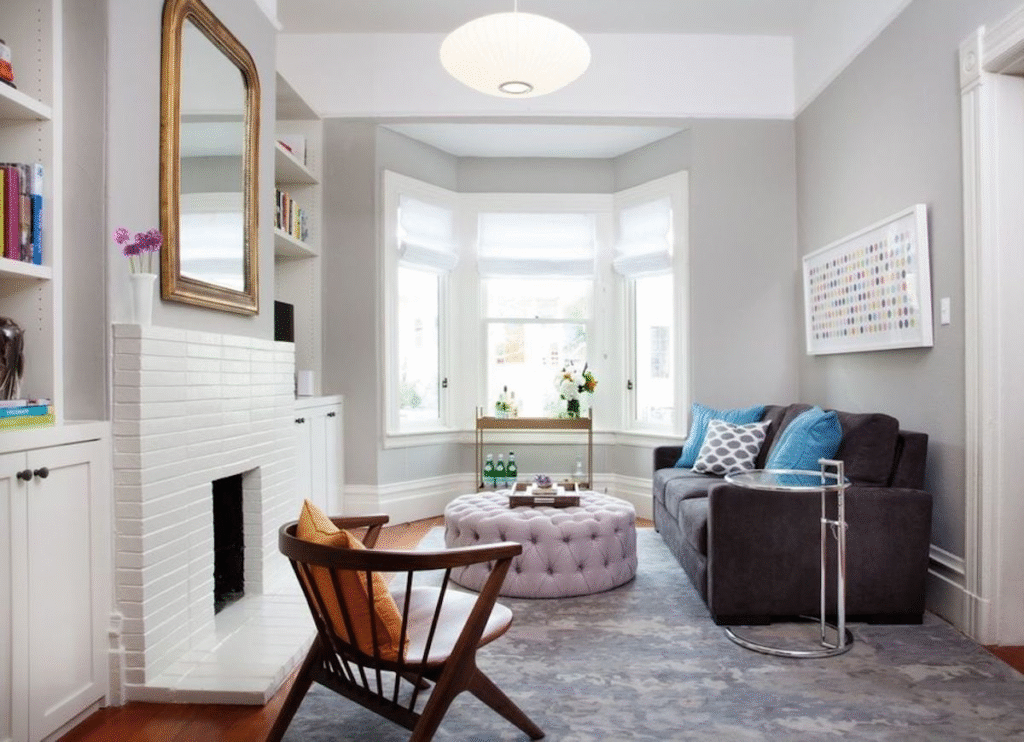
Harnessing Natural Light
Natural light is the cornerstone of vibrant interiors. Expansive windows, skylights, and reflective surfaces amplify sunlight, creating a dynamic interplay of light and shadow. By strategically positioning mirrors or light-colored furniture, homeowners can redirect sunlight to areas that typically feel dim, helping to brighten every room efficiently.
Window treatments also play a pivotal role. Sheer curtains or adjustable blinds allow control over light intensity while maintaining privacy. Layering textures in window coverings adds visual interest without obstructing natural brightness. According to light and color tips, optimizing natural illumination is not merely functional but also sets the tone for a room’s ambiance.
The Power of Color
Color profoundly impacts how a space feels. Light, neutral hues such as soft whites, creamy beiges, and pale pastels create an expansive, airy sensation. Vibrant accent colors, when used judiciously, can invigorate interiors without overwhelming the senses. These approaches align with room uplifting ideas, where thoughtful color selection uplifts energy and creates harmony.
Pairing colors effectively can also enhance spatial perception. Lighter tones on walls combined with slightly darker accents on furniture or accessories provide depth while maintaining brightness. Subtle gradients and complementary hues allow homeowners to cultivate a nuanced, cheerful environment.
Layered Lighting Solutions
Artificial lighting complements natural illumination, ensuring spaces remain vibrant throughout the day. Layered lighting, encompassing ambient, task, and accent layers, offers both practicality and aesthetic appeal. Recessed lights and ceiling fixtures provide overall illumination, while table lamps, wall sconces, and under-cabinet lighting create zones of focused brightness.
Strategically placed accent lights can highlight artwork, architectural details, or textured walls, enhancing the perception of space. Light and color tips recommend varying light temperatures and intensities to match room functions, ensuring that both energy and comfort are optimized.
Furniture and Reflective Surfaces
The choice of furniture and surfaces significantly affects how light interacts with a space. Glossy finishes, polished metals, and glass elements reflect light, amplifying luminosity in ways that matte surfaces cannot. Lightweight furniture with minimal visual weight prevents overcrowding, allowing light to flow freely throughout the room.
Mirrors are particularly effective tools. Positioned thoughtfully, mirrors can create the illusion of expanded space while distributing light evenly. By integrating reflective elements with complementary textures and fabrics, interiors maintain warmth without sacrificing brightness, a key principle in bright space news.
Textiles and Accents
Textiles and accessories contribute to a room’s perception of light and energy. Soft furnishings in light or pastel shades, including curtains, rugs, and cushions, enhance brightness while adding comfort and personality. Metallic or glass decorative accents can catch and scatter light, producing subtle highlights that enliven interiors.
Layering textures carefully ensures that rooms feel rich and inviting rather than stark or sterile. Mixing smooth surfaces with tactile elements like woven fabrics or natural fibers aligns with room uplifting ideas, balancing visual stimulation with a welcoming atmosphere.
Open Layouts and Spatial Flow
Spatial arrangement influences how light and energy circulate. Open layouts reduce barriers, allowing illumination to reach all corners. Avoiding heavy partitions and strategically placing furniture promotes both flow and accessibility. Multi-functional pieces maintain order and adaptability, ensuring that spaces remain both practical and vibrant.
Brighten every room initiatives often emphasize that decluttering and minimalistic approaches complement natural light. By removing obstacles, homeowners allow sunlight and artificial lighting to reach surfaces effectively, enhancing overall luminosity and well-being.
Incorporating Nature
Bringing elements of nature indoors contributes to a brighter, more uplifting atmosphere. Indoor plants not only provide greenery but also interact with light, casting soft shadows and reflections that create visual interest. Flower arrangements, wooden textures, and natural fibers introduce warmth and vitality, complementing light and color tips for cheerful, balanced interiors.
Plants with reflective leaves, such as ficus or monstera, can accentuate sunlight and highlight specific zones. This connection to nature reinforces a sense of tranquility while maintaining energy, making rooms feel alive and harmonious.
Strategic Use of Art and Decor
Artwork, sculptures, and decorative objects influence light perception and energy flow. Bright, reflective frames or vibrant pieces can draw attention to focal areas, creating visual movement throughout the room. Strategic placement ensures that these elements enhance rather than compete with natural illumination.
Decorative choices should align with overall design principles to brighten every room thoughtfully. Minimalism in accessories avoids visual clutter while allowing light to dominate, whereas curated pops of color can invigorate mood and complement structural features.
Conclusion
Designing interiors that radiate light and positivity is both an art and a science. Following bright space news, integrating room uplifting ideas, and applying practical light and color tips enable homeowners to brighten every room effectively.
From harnessing natural sunlight and layering artificial lighting to selecting reflective surfaces, textiles, and strategic décor, every detail contributes to the overall vibrancy of a space. Open layouts, thoughtful color palettes, and natural elements reinforce energy flow, ensuring that interiors remain both visually appealing and emotionally uplifting.
Homes that prioritize brightness and harmony create environments that inspire, relax, and elevate daily living. By embracing these principles, homeowners can cultivate spaces that are radiant, welcoming, and enduringly cheerful, offering both aesthetic delight and functional comfort in every room.