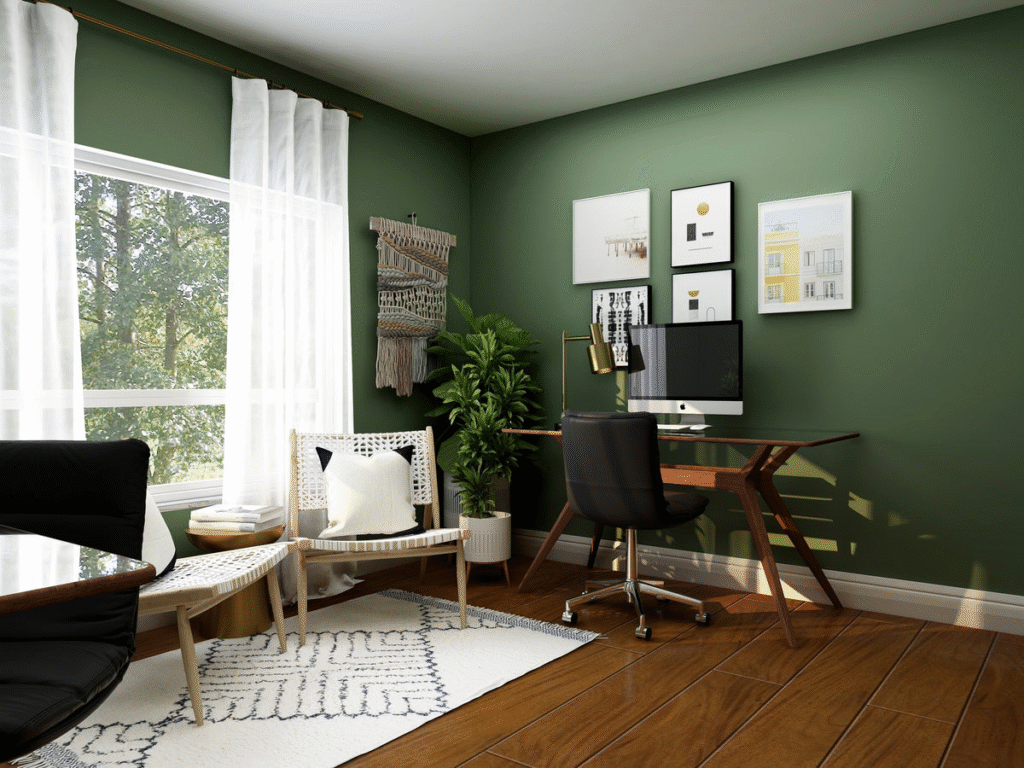
Creating a home that thrives with energy, comfort, and functionality requires careful planning and thoughtful design. Family homes are more than just living spaces—they are hubs of connection, creativity, and everyday joy. Experts emphasize that integrating smart solutions and adaptable layouts can make daily life smoother while keeping the environment welcoming for all members. Leveraging family home tips, homeowners can transform their spaces into harmonious environments that balance practicality and style.

Prioritizing Comfort for Every Member
Comfort is the cornerstone of a successful family home. Each member has unique needs, from children’s play areas to adult relaxation zones. Experts suggest a comfortable living guide approach that ensures every space is functional yet cozy.
Soft furnishings, ergonomic seating, and layered textures create warmth and invite family members to relax and connect. By strategically placing furniture, rooms can feel open without sacrificing intimacy. Multipurpose furniture—sofas with storage, extendable dining tables, and benches with hidden compartments—enhances both convenience and comfort. Incorporating these ideas fosters a nurturing environment where daily routines flow effortlessly.
Practical Storage Solutions
Family homes tend to accumulate a variety of items: toys, books, sports gear, and seasonal clothing. Without strategic storage, clutter can quickly overwhelm. Experts recommend implementing practical lifestyle hacks to keep spaces organized while remaining accessible.
Built-in shelving, modular units, and under-bed storage help maximize floor space. Baskets and bins categorized by activity or room streamline daily routines, making clean-up simple and teaching children organizational habits. Thoughtful placement ensures items are within easy reach but do not dominate the aesthetic of the space, blending functionality with design seamlessly.
Designing Family-Friendly Zones
Every family home needs areas tailored to both activity and relaxation. Incorporating family friendly design ensures spaces accommodate everyone’s needs without compromise.
Living rooms can double as play zones for younger children while maintaining elegance for entertaining. Durable, stain-resistant fabrics and rounded furniture edges enhance safety and longevity. Open floor plans allow for supervision while providing flexibility in arranging furniture for different occasions. Experts emphasize that zoning spaces with intentional layouts improves flow, reduces stress, and maintains a balanced environment.
Kitchens That Support Family Life
The kitchen is often the heart of a family home, where meals, conversations, and memories converge. Experts recommend designing kitchens that are both practical and welcoming.
Ample countertop space, strategically placed appliances, and accessible storage encourage family members to participate in meal preparation. Pull-out drawers, lazy Susans, and labeled containers enhance practical lifestyle hacks, ensuring ingredients and utensils are easily reachable. A well-designed kitchen supports efficiency without sacrificing warmth, making it a space where the family naturally gathers.
Bedrooms Designed for Comfort and Function
Bedrooms in family homes serve as sanctuaries for rest, creativity, and personal expression. Experts advise tailoring each room to the occupant’s needs while maintaining cohesion throughout the home.
Children’s rooms benefit from built-in storage, bunk beds, and versatile desks for homework or hobbies. Adults’ bedrooms can incorporate walk-in closets, reading nooks, or seating areas for relaxation. By following comfortable living guide principles, bedrooms become more than just sleep spaces—they are retreats that promote well-being and individuality.
Bathrooms That Accommodate Busy Families
Bathrooms in family homes often face challenges due to high traffic and diverse needs. Experts suggest installing dual sinks, ample counter space, and smart storage solutions to streamline morning and bedtime routines.
Stackable baskets, labeled containers, and moisture-resistant shelving maintain order and hygiene. Safety features such as non-slip mats and rounded fixtures add functionality without compromising style. Thoughtful planning transforms bathrooms into spaces that are efficient, safe, and visually appealing, supporting the overall family friendly design of the home.
Outdoor Spaces for Recreation and Relaxation
Family homes benefit greatly from outdoor areas that cater to recreation and leisure. Patios, gardens, and backyards can serve as extensions of indoor living, offering places for play, dining, and relaxation.
Experts recommend including versatile elements such as shaded seating areas, play zones, and planters that encourage interaction and engagement. Outdoor furniture that is weather-resistant and easy to clean supports durability while maintaining aesthetic appeal. By integrating outdoor living into the home’s design, families enjoy holistic spaces that nurture both activity and serenity.
Establishing Daily Routines and Zones
Designing a family home is not solely about furniture and decor—it’s also about establishing practical systems that enhance everyday life. Experts highlight the importance of routines and clearly defined zones to optimize practical lifestyle hacks.
Designating specific areas for homework, play, relaxation, and chores reduces stress and encourages efficiency. Incorporating visual cues, storage solutions, and adaptable layouts ensures each family member knows their responsibilities and space, promoting harmony throughout the home.
A family home thrives when comfort, functionality, and thoughtful design converge. By following family home tips and embracing comfortable living guide principles, homeowners can create spaces that are both practical and inviting. Integrating practical lifestyle hacks and family friendly design across living areas, bedrooms, kitchens, bathrooms, and outdoor spaces ensures a home that adapts to the needs of every member.
Ultimately, a well-planned family home nurtures connection, encourages efficiency, and fosters joy. With careful attention to comfort, organization, and design, families can create environments that not only meet daily demands but also provide a lasting sense of warmth, security, and togetherness.